 01 /
Budgeting Basics
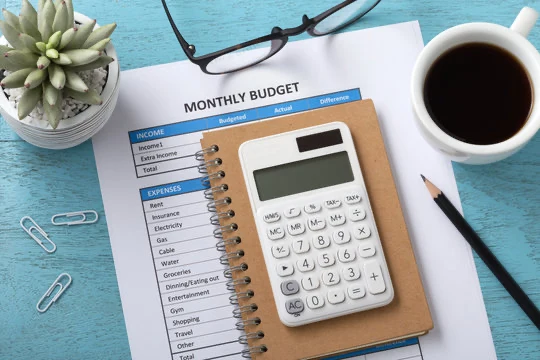
Income and expenses, needs versus wants, fixed and variable costs, and saving for goals. Students practise making spending decisions through a simulated shop and play money.


From making a first budget to preparing for a first job, our interactive workshops bring the decisions that matter into the classroom. Choose the age group or setting that best fits your learners.
Help me choose ↗
 Real learning.
Select a pathway to reveal workshop details, learning outcomes and the relevant brochure below.
Designed for primary and middle years learners, these seminars align with relevant Australian Curriculum HASS and Mathematics learning areas.
01 /Income and expenses, needs versus wants, fixed and variable costs, and saving for goals. Students practise making spending decisions through a simulated shop and play money.
 02 /
Explore digital payments, online safety, advertising, comparing prices and basic banking through fictional shopping scenarios and a mock bank.
 03 /
Explore borrowing and repayment, short- and long-term goals, SMART goals, savings and interest through role-play and practical examples.
Two weeks of additional study plans, student workbooks, teacher guides, answer keys and extension activities help teachers reinforce numeracy and financial concepts.
Download Middle Years overview ↗We can also adapt these activities for primary school cohorts and different learning needs.
View Middle Years brochure (PDF) ↗ Enquire about Middle Years ↗Choose individual sessions or combine related topics for a broader learning experience. We can discuss condensed delivery to suit your school timetable.
Build a budget that works in real life.
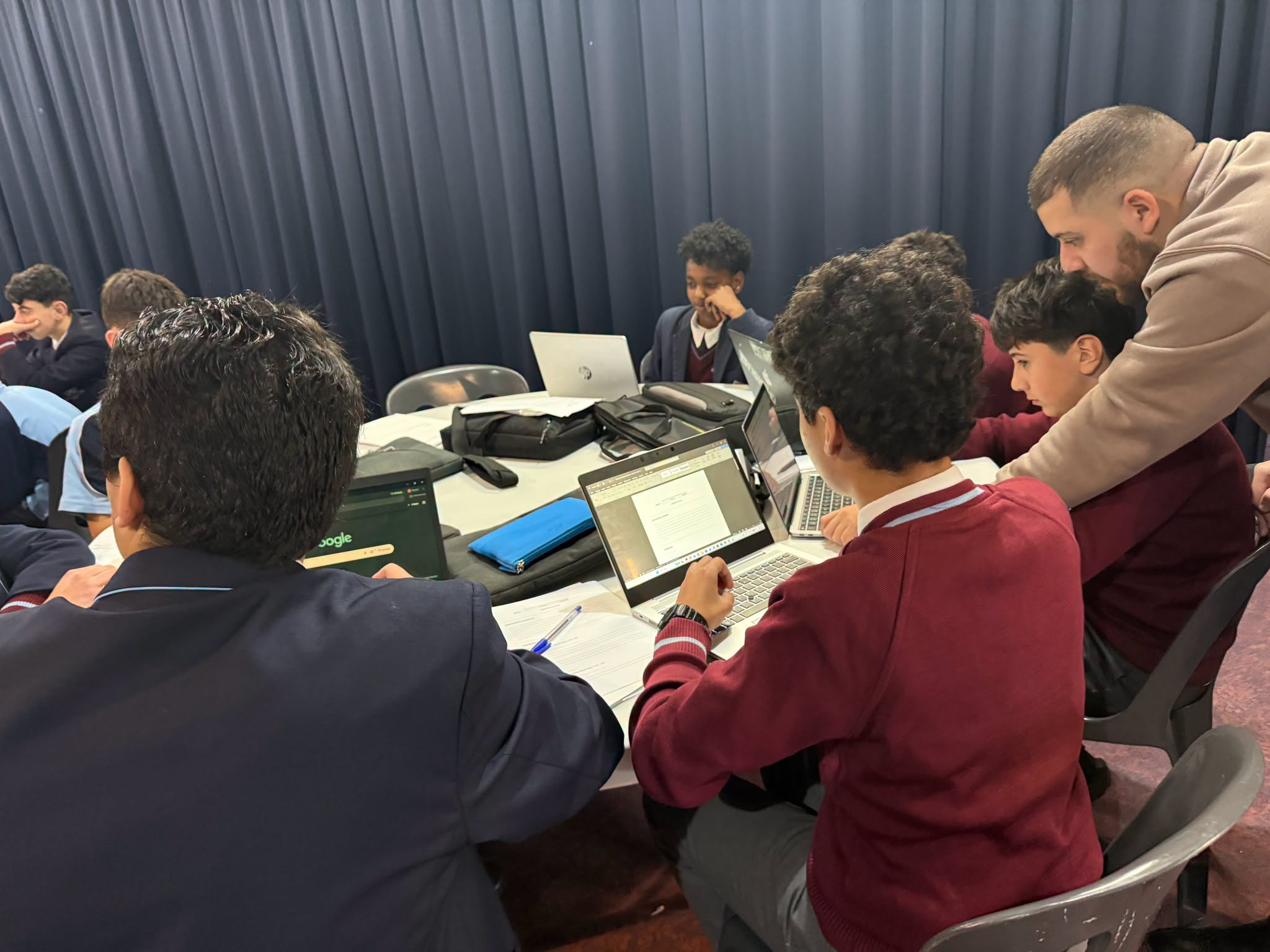
Students use spreadsheets and realistic examples to practise tracking income and spending, setting goals and comparing budgeting strategies.
Excel budgeting, needs and wants, SMART goals, 50/30/20 and zero-based budgeting.
Create a budget using practical scenarios and digital tools.
Enquire about this programStep into the world of work with confidence.
Students explore how employers assess applications, use AI responsibly when drafting résumés, practise STAR responses and participate in mock interviews with feedback.
Résumé building, applicant tracking systems, responsible generative AI use, interviews, STAR, elevator pitches and networking.
Develop a tailored résumé and practise answering interview questions.
Enquire about this program
Make sense of money and financial choices.
Students examine how bank accounts, interest and borrowing work, then explore investment risks, scams, diversification and the basics of developing a business plan.
Banking, interest, credit, debit, loans, investment fundamentals, risk, scams and entrepreneurship.
Understand everyday financial products and evaluate risks in a general educational context.
Enquire about this program
Prepare for the next chapter of education.
Students explore independent study, time management, campus resources, accommodation, scholarships and the basics of HECS-HELP.
University expectations, study habits, time management, campus resources, HECS-HELP, accommodation, scholarships and support.
Plan for the academic and financial transition to university.
Enquire about this programExplore study costs, scholarships, accommodation and HECS-HELP through general educational examples.

We are developing an accessible learning pathway with disability service providers. Our intended focus is on everyday financial confidence and practical decision-making, with adaptations shaped by provider and participant needs.
Explore potential activities around spending, saving and managing a budget.
Explore more ↗Discuss accessible ways to practise communication and employment preparation.
Explore more ↗Explore how practical money skills might support everyday independence.
Explore more ↗Delivery formats, adaptations and the NDIS brochure are still being developed. We welcome conversations with providers and families; this is not yet a bookable workshop or a claim of NDIS funding eligibility.
Register partnership interest ↗Middle Years seminars typically run for 90 minutes, and Senior Years sessions for 180 minutes. Condensed formats and adaptations can be discussed with schools.
Tell us about your learners and we’ll discuss a program that fits.