Active learning
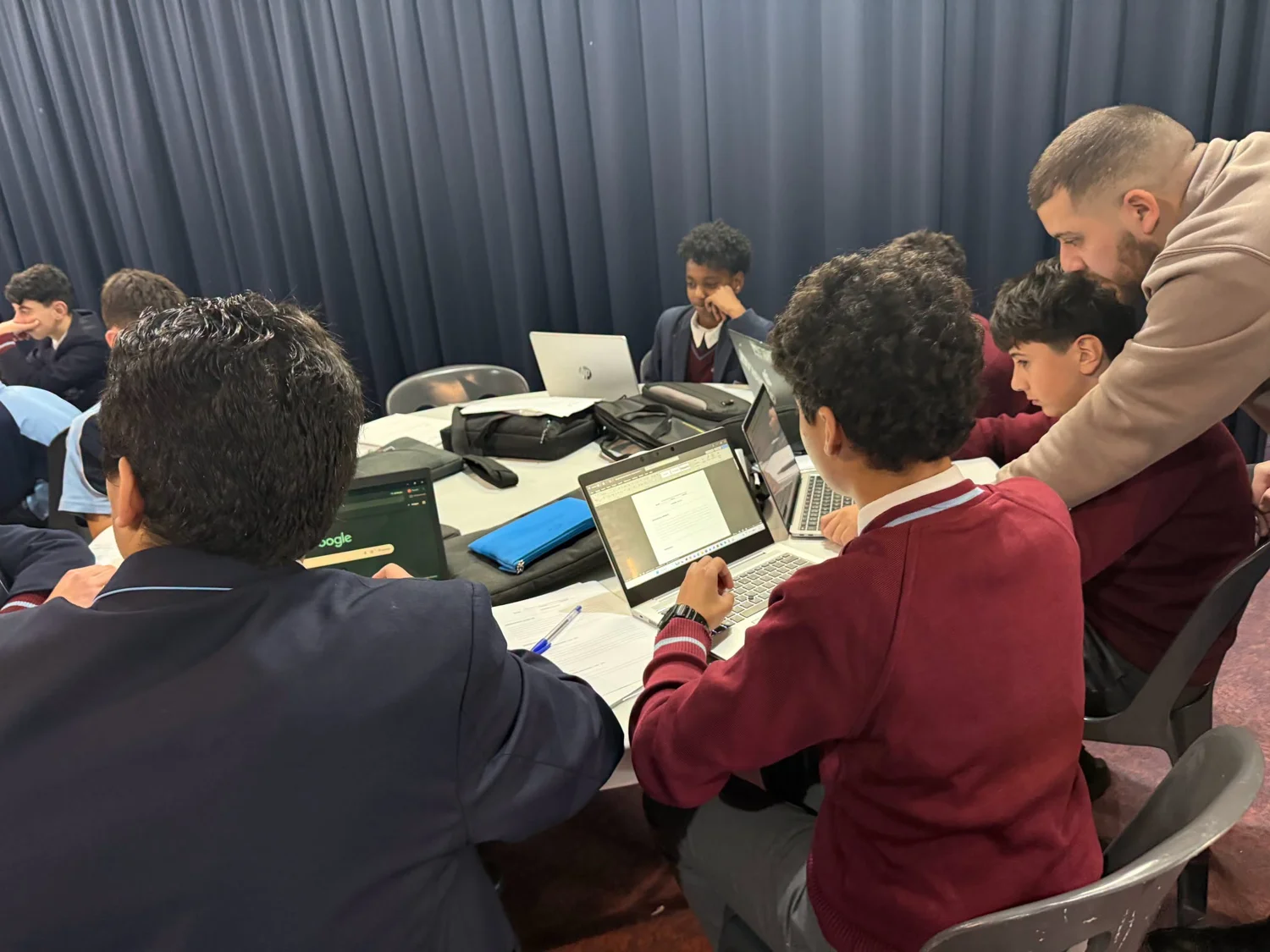
Hands-on activities connect concepts to everyday life.

Practical education for every young Australian, supporting financial confidence, career readiness and a confident transition to further study and adulthood.
Learning about money and preparing for work should not begin only when students leave school. Young Finance brings these everyday challenges into an educational environment where young people can ask questions, explore options and practise decisions.
Our approach connects financial concepts to the choices students encounter as they move towards employment, further study and greater independence.
Our mission is to equip young Australians with the financial knowledge, employment readiness skills and confidence to navigate further education and adulthood, while widening equitable access to practical learning.
An Australia where every young person has equitable access to the knowledge, skills and opportunities to build a financially secure, independent and fulfilling future.
Hands-on activities connect concepts to everyday life.
Group tasks encourage communication and problem-solving.
We work with schools to suit their learning needs and schedules.
Co-founder · Workshop facilitator
Bachelor of Civil Engineering and Infrastructure and Design. Previously a business consultant in Sydney and a hospitality business manager. His experience connects practical problem-solving, business and workplace learning.
Co-founder
Bachelor of Physiology; Master of Public Health in Biostatistics and Epidemiology. Previously an analyst at the ASX; currently a research associate in the Child Health Economics Unit at the University of Melbourne. Her public health and child health economics background informs our focus on social determinants, equity and responsible evaluation. These are her professional experiences, not institutional endorsements.
Working with Children checks and insurance details can be discussed with your organisation during booking.
The Australian Institute of Health and Welfare identifies education, employment and income as social determinants of health. Supporting young people to navigate these areas is one way to contribute to the conditions for wellbeing.
Read the AIHW evidence ↗In the OECD PISA 2022 financial literacy assessment, socioeconomically advantaged students scored higher than disadvantaged students across participating countries. This international finding highlights the importance of equitable learning opportunities.
Read the OECD findings (2024) ↗These sources inform our approach; they do not establish the effectiveness of Young Finance workshops or demonstrate changes in health outcomes.
Our contribution is educational. The pathway below describes intended progress, not proven causal effects.
School and funded partnerships.
Interactive, adaptable education.
Realistic tasks and resources.
Intended knowledge and self-efficacy.
Support participation over time.
Tell us about your learners and we’ll discuss a program that fits.